Choosing a native plant is not simply a matter of selecting a species native to Canada in general. The country spans several major bioclimatic zones whose soil, temperature, and precipitation conditions vary considerably from one region to another. A species well suited to the mixed forests of Ontario may prove poorly adapted to the semi-arid Prairies or the humid Pacific coast.
Understanding Canada's bioclimatic zones
Agriculture and Agri-Food Canada divides the country into plant hardiness zones numbered 0 to 9, based on average minimum winter temperatures. This classification remains the basic reference for assessing whether a plant can survive the winter in a given location, but it does not account for precipitation, soil type, or summer relative humidity — all important parameters for native plants.
The major ecological regions to consider when landscaping with native plants are:
- Eastern mixed and deciduous forests (Ontario, southern Quebec): rich, well-drained to slightly acidic soils, precipitation spread throughout the year.
- Prairies and interior plains (Manitoba, Saskatchewan, Alberta): deep calcareous soils, low precipitation, significant temperature contrasts.
- Pacific coastal forest (coastal British Columbia): high winter precipitation, relatively dry summers, often acidic soils.
- Canadian Shield: thin soils over bedrock, high acidity, harsh winters.
- Maritimes and Atlantic region: frequent winds, high humidity, variable soils.
Species selection criteria
Soil type
Before planting, identify the soil texture (clay, loam, sand) and its pH. A basic soil test, available at most Canadian garden centres, helps guide choices. Prairie plants such as Bouteloua gracilis (blue grama) tolerate sandy to alkaline soils, while species such as Calla palustris (wild calla) require wet to saturated soils.
Sun exposure
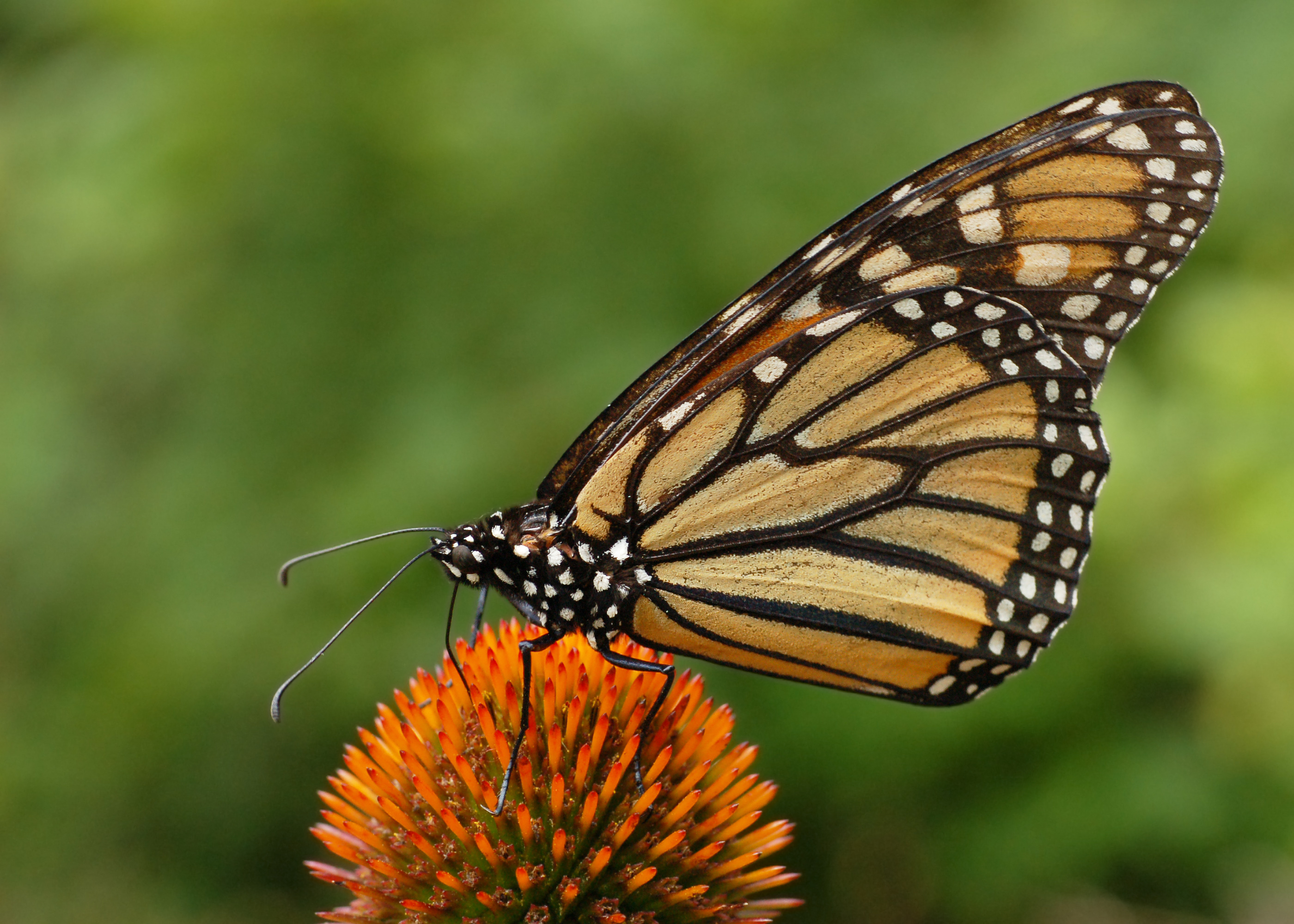
Exposure is a determining factor. Full-sun gardens (more than six hours per day) suit species such as Rudbeckia hirta (black-eyed Susan) or Echinacea purpurea (purple coneflower). Partially shaded areas beneath deciduous tree canopies are better suited to species such as Trillium grandiflorum (white trillium) or Mertensia virginica (Virginia bluebells).
Water availability
Distinguish areas of your garden by their natural hydrological regime: well-drained zones, areas that stay wet during spring snowmelt, and zones that dry out in summer. This informal mapping guides you toward plants whose needs match existing conditions, limiting the need for supplemental watering once plants are established.

Species examples by region
Ontario and southern Quebec
- Echinacea purpurea — purple coneflower, perennial with prolonged summer bloom, attracts pollinators.
- Monarda fistulosa — wild bergamot, aromatic, nectar-rich, tolerates dry to mid-moist soils.
- Symphyotrichum novae-angliae — New England aster, autumn bloom, supports late-season pollinators.
- Aquilegia canadensis — Canada columbine, suited to rocky and partially shaded soils.
Prairies (Manitoba, Saskatchewan, Alberta)
- Gaillardia aristata — blanket flower, drought-resistant, long flowering period.
- Bouteloua gracilis — blue grama, native grass of dry prairies.
- Penstemon grandiflorus — large-flowered beardtongue, tolerates sandy, alkaline soils.
Coastal British Columbia
- Mahonia aquifolium — Oregon grape, native understory shrub.
- Camassia quamash — common camas, native bulb of wet meadows.
- Ribes sanguineum — red-flowering currant, shrub with early spring bloom.
Planting season and technique
Spring or autumn planting is generally recommended for native perennials. Autumn has the advantage of exposing roots to a dormancy period that promotes establishment the following spring. For species from nurseries, ensuring plants were cultivated — and not collected from wild populations — is an important ethical consideration.
Worth verifying: In Ontario, Quebec, and British Columbia, certain plant species are protected by provincial legislation. Collecting specimens from natural habitats without authorization is generally illegal. Nurseries specializing in native plants are the appropriate source.
Sources and references
- Canadian Native Plant Society — nativeplantssociety.ca
- Agriculture and Agri-Food Canada — Plant hardiness zones
- Environment and Climate Change Canada — Ecozones of Canada — canada.ca
- Montreal Botanical Garden — Native plant collections