Selection
Choosing and planting native plants by region
Criteria for selecting native species by climate zone, soil type, and sun exposure — with examples specific to Canadian regions.
Reference on choosing, planting, and maintaining native plants suited to Canadian regions and soils.

Three guides covering species selection by region, maintenance techniques, and the role of native plants in supporting Canadian pollinators.
Criteria for selecting native species by climate zone, soil type, and sun exposure — with examples specific to Canadian regions.

Pruning, watering, mulching, and managing invasive species — maintenance practices suited to native plant gardens in the Canadian climate.

Native bees, butterflies, and other pollinators — which native plant species support local biodiversity in Canadian gardens.
Native plants have adapted to local climate conditions over millennia. In Canadian residential gardens, they offer several practical advantages.
Native species have developed tolerance to Canadian conditions — harsh winters, spring freeze-thaw cycles, and summer drought in some regions — without requiring special interventions once established.
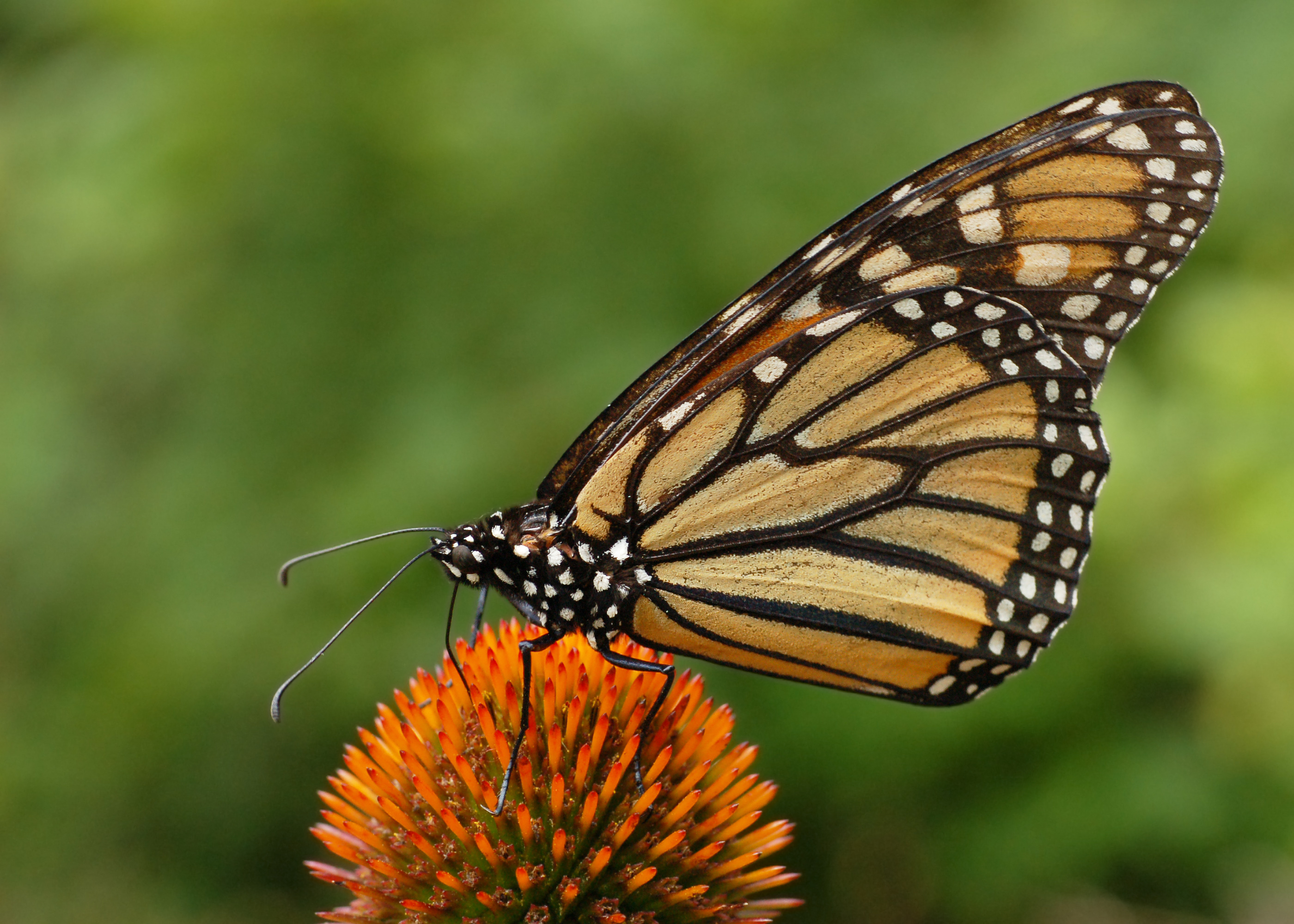
Many native pollinators — bees, butterflies, and bumblebees — evolved in relationship with specific plants. Introducing these species into urban or peri-urban gardens helps maintain populations of beneficial insects.
Once established, native plants generally require less supplemental watering, fertilizer, or treatments than exotic cultivars, because their needs match resources naturally available in their region of origin.
The CNPS provides resources on Canadian native plants, with regional lists and planting guides. nativeplantssociety.ca
Publishes data on ecological zones, threatened species, and natural habitat restoration efforts. canada.ca
The Montreal Botanical Garden, Royal Botanical Gardens in Burlington, and VanDusen Botanical Garden in Vancouver maintain native plant collections and educational programs.